Leica R6
✦ NotableThe R6 is the mechanical R — the workhorse the serious R-system photographer reaches for when reliability matters more than automation.
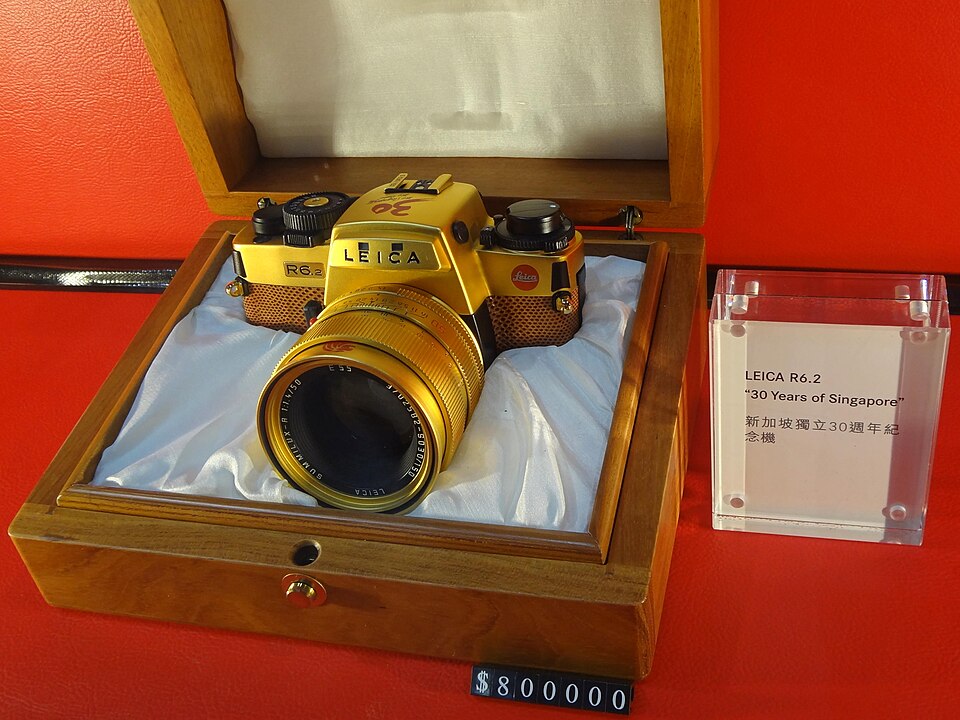
After years of increasingly electronic R bodies, the R6 (1988) stepped back. Its shutter is mechanical — it fires at all speeds without a battery. The battery powers only the built-in light meter. This made the R6 the workhorse's choice: reliable in extreme cold, immune to electronic failure, serviceable anywhere.
The R6 wasn't the highest-specification R camera of its era — the R5 had program AE, the R-E had budget electronics. But it was the one photojournalists and wildlife photographers trusted in the field, the same way they trusted the M cameras. An R6.2 revision arrived in 1992 with minor improvements. Together they are the mechanical core of the R system, equivalent in spirit to what the MP is to the M line.
For newcomers: a mechanical shutter means gears and springs rather than electronics determine timing. The practical benefit is simple: it works in conditions that kill batteries or fry circuits.
Key specs
- shutter
- mechanical, 1s–1/1000s + B, battery-independent
- meter
- TTL centre-weighted, battery required
- exposure
- manual + aperture-priority
- mount
- Leica R
- variant
- R6.2 (1992) with minor upgrades
Variants & finishes
The R6 in black — a fully mechanical 35mm SLR with no battery-dependent functions except the light meter. The R-system body for photographers who want a dependable all-mechanical camera with R-mount lenses.
Silver R6 — same mechanical shutter and manual-only operation as the black version. The silver finish is less common; both are valued for the R6's film-transport reliability and build quality.
Market value
Used-market price (USD, estimated median)
Estimates from auction and dealer records — condition and completeness vary.
View data
| Date | Price | Source | Condition |
|---|---|---|---|
| 2016-01 | $500 | Dealer Median | Good |
| 2020-01 | $800 | Mechanical Film Trend | Good |
| 2026-01 | $1,100 | Mechanical Film Trend | Good |
Comments
No comments yet — be the first.