Summicron 50mm f/2 collapsible
Iconic LensThe founding member of the Summicron 50 family, launched in 1953 in collapsible form. Bridged the barnack screw-mount era and the new M system; every 50mm Summicron since traces its lineage here.
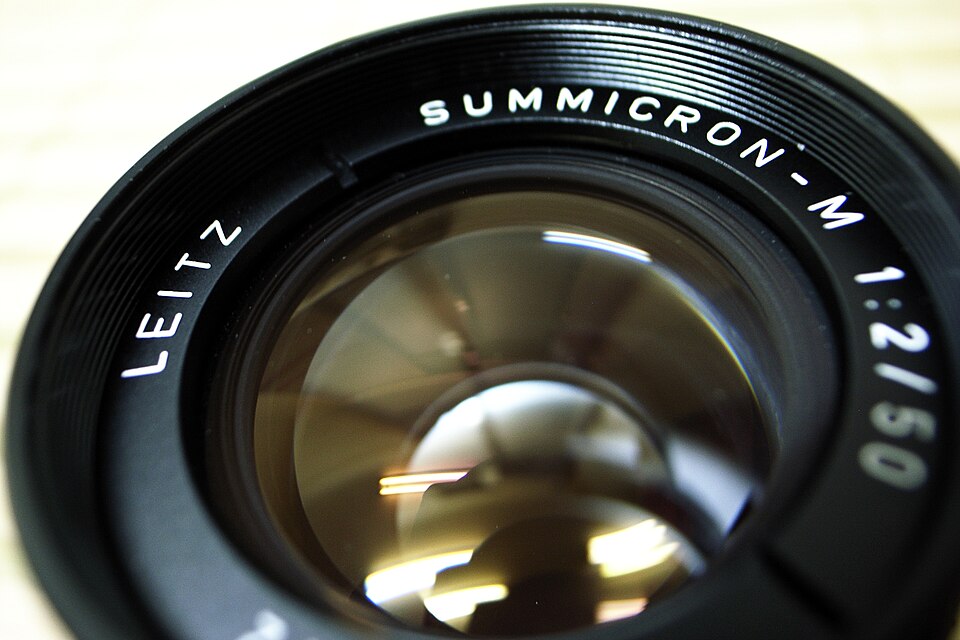
Famous for
- The first 50mm Summicron — collapsible design that fits flush with the body for pocket carry
- Used by Henri Cartier-Bresson and generations of photojournalists
When Leitz introduced the name "Summicron" in 1953 they were signalling a new optical benchmark: an f/2 maximum aperture (the "cron" suffix) with correction levels that justified the premium price. The collapsible version used a screw thread to retract the lens barrel into the body, keeping the whole package small enough to fit in a coat pocket — a deliberate nod to the collapsible Elmar tradition.
For beginners: the collapsible Summicron is the grandfather of the 50mm Summicron lineage that Leica still sells today. It was made for both the screw-mount and early M bodies; the M-mount version must never be collapsed on a digital M body as the rear element will strike the sensor. On film bodies it remains a fully practical shooter — the optics are sharp in the centre, the rendering is slightly warmer and softer at the edges than later rigid versions, and the history attached to each copy is tangible.
Key specs
- elements groups
- 7/5
- minimum focus
- 1m
- filter size
- 39mm
Variants & finishes
The collapsible Summicron 50mm f/2 — collapses into the camera body for pocketing, making it the most compact 50mm option for screw-mount and early M bodies. A classic travel configuration.

Photographs made with this equipment1

Market value
Used-market price (USD, estimated median)
Estimates from auction and dealer records — condition and completeness vary.
View data
| Date | Price | Source | Condition |
|---|---|---|---|
| 2016-01 | $300 | Collapsible Index | Good |
| 2020-01 | $480 | Collapsible Index | Good |
| 2026-01 | $650 | Collapsible Index | Good |
Comments
No comments yet — be the first.