Leica I
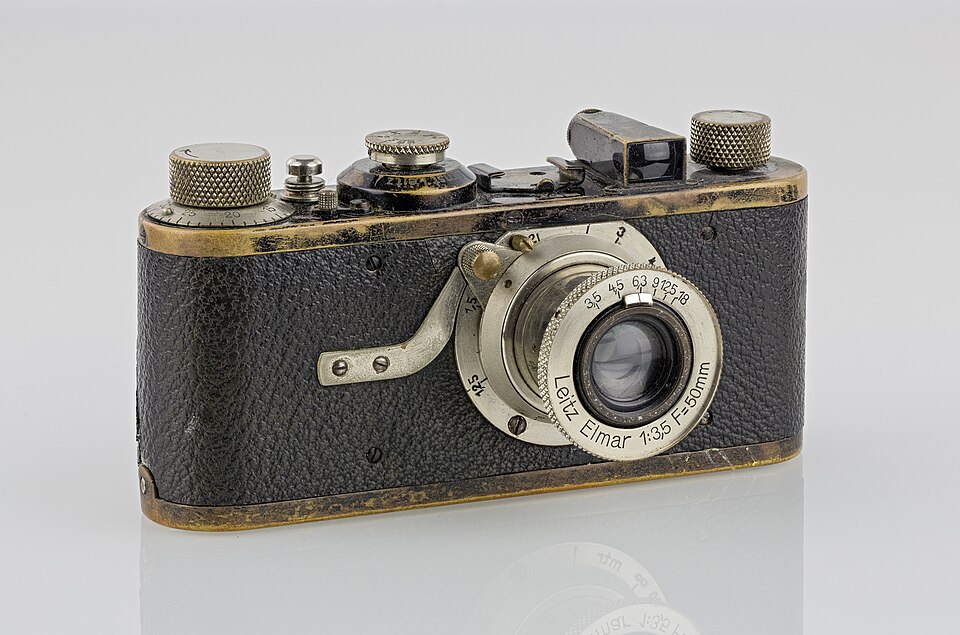
Iconic CameraKnown as "Leica A"
The world's first mass-produced 35mm camera. The Leica I launched an entire industry and made spontaneous, available-light photography possible for the first time. Every 35mm camera ever built owes something to this design.
Famous for
- The camera that launched the 35mm photography revolution in 1925
- Max Berek's collapsible Elmar f/3.5 was its original lens
The Leica I went on sale at the Leipzig Spring Fair in 1925, and the world of photography was never the same. Ernst Leitz II had made a bet that still photographs taken on 35mm cine film could be enlarged to exhibition quality, and the Leica I proved him right. The camera was compact enough to fit in a coat pocket, quiet enough to use in a theater or courtroom, and capable enough to produce images that rivaled much larger equipment.
For anyone new to Leica: this is the camera that invented the category. Before 1925, "serious" photography meant large glass plates or medium-format film, a tripod, and deliberate, planned shots. The Leica I made photography spontaneous. Photojournalism as we know it — Henri Cartier-Bresson, Erich Salomon, Alfred Eisenstaedt — all trace back to this little camera. Early models had a fixed lens; later variants introduced interchangeable lenses. The Leica I sold in the thousands and proved the market existed. Everything Leica has made since is a direct descendant.
Key specs
- type
- 35mm viewfinder camera
- film
- 35mm
- frame size
- 24×36mm
- lens
- Elmar 50mm f/3.5 (fixed on early models)
- shutter
- cloth focal-plane, 1/25–1/500s
- production
- tens of thousands (1925–1936)
Variants & finishes
The original Leica I — Oskar Barnack's landmark 35mm camera from 1925 with a fixed 50mm Elmar lens. This is where the entire Leica lineage begins; a historical artifact rather than a shooter today.
Photographs made with this equipment6
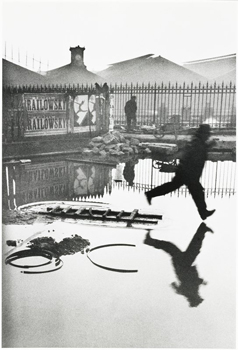
1932 · Henri Cartier-Bresson
Behind the Gare Saint-Lazare
Henri Cartier-Bresson's leaping man — the photograph that defined "the decisive moment."
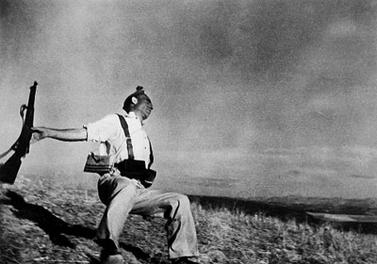
1936 · Robert Capa
The Falling Soldier
Robert Capa's shattering Spanish Civil War frame — the photograph that birthed modern combat photography.
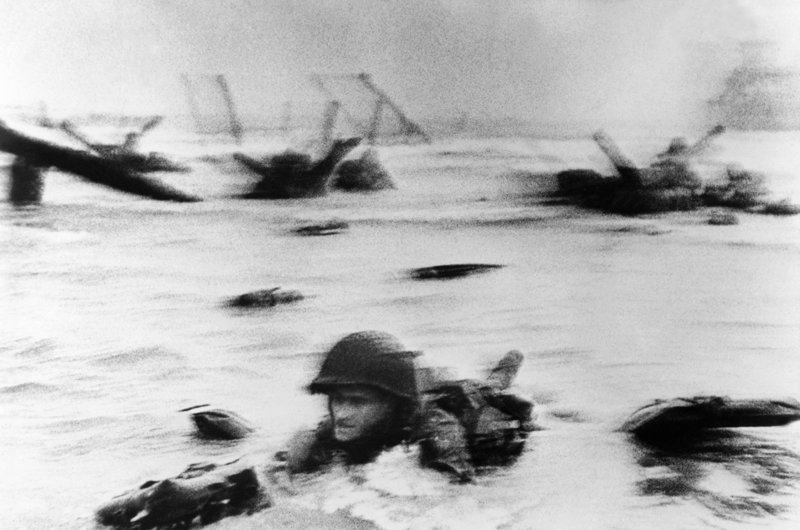
1944 · Robert Capa
The Magnificent Eleven (D-Day Omaha Beach)
Robert Capa's heart-stopping frames from the first wave at Omaha Beach on June 6, 1944 — shot on two Leica IIIs.
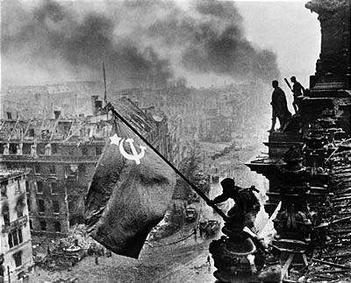
1945 · Yevgeny Khaldei
Raising a Flag over the Reichstag
Yevgeny Khaldei's iconic photograph of Soviet soldiers raising the Red Flag over the ruins of Berlin — shot on a Leica III.
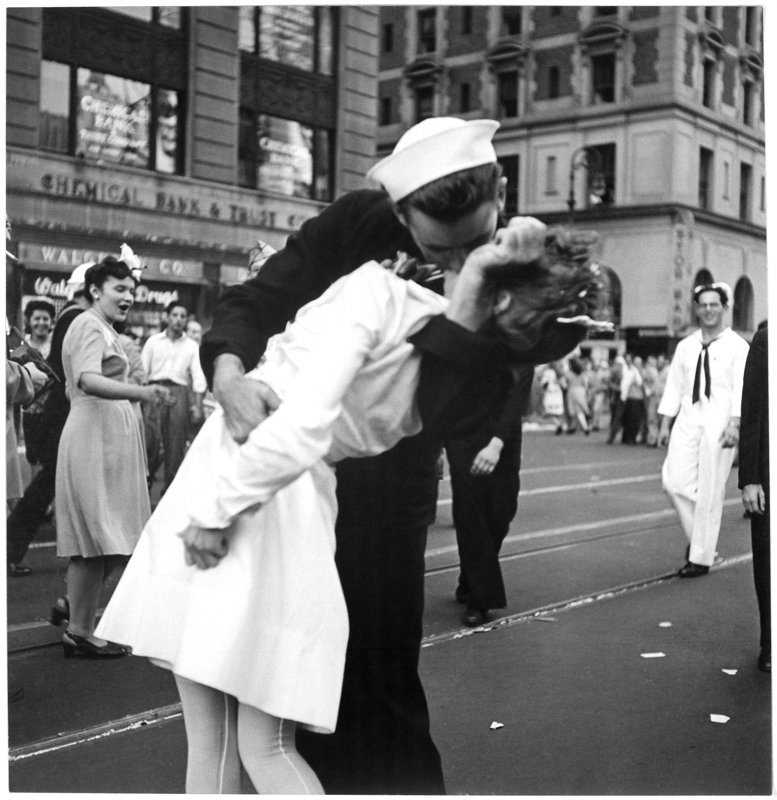
1945 · Alfred Eisenstaedt
V-J Day in Times Square
Alfred Eisenstaedt's sailor kissing a nurse as New York erupts — shot on a Leica IIIa.
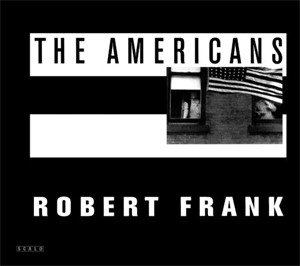
1958 · Robert Frank
The Americans (Robert Frank)
Robert Frank's Guggenheim road trip — 28,000 Leica frames distilled into the most influential photobook ever published.
Market value
Used-market price (USD, estimated median)
Estimates from auction and dealer records — condition and completeness vary.
View data
| Date | Price | Source | Condition |
|---|---|---|---|
| 2016-01 | $900 | Auction Median | Good |
| 2020-01 | $1,400 | Auction Median | Good |
| 2026-01 | $1,800 | Auction Median | Good |
Comments
No comments yet — be the first.