Tools & Utilities
The photographers who defined what a Leica can do — and the photographs that made history.
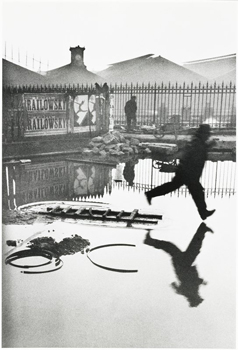
Henri Cartier-Bresson, 1932 (historical fair use / educational)
Behind the Gare Saint-Lazare
1932
Leica I (Standard) · Elmar 50mm f/3.5
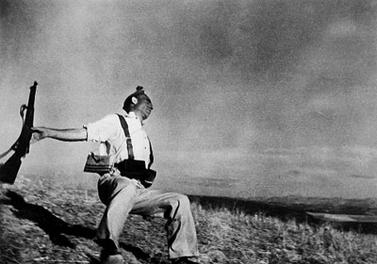
Robert Capa / International Center of Photography (fair use)
The Falling Soldier
1936
Leica II (Model D) · 50mm f/3.5 Elmar
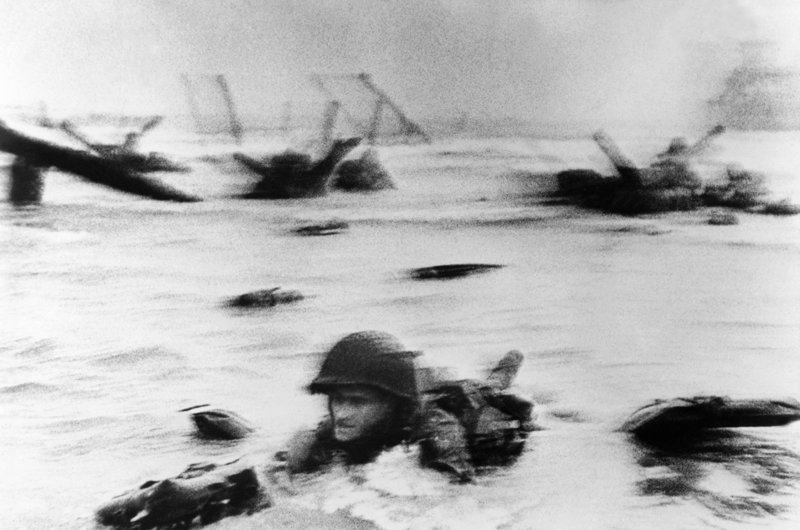
Robert Capa / LIFE / ICP (historical fair use)
The Magnificent Eleven (D-Day Omaha Beach)
1944
Leica III (screw-mount) · Summitar 50mm f/2
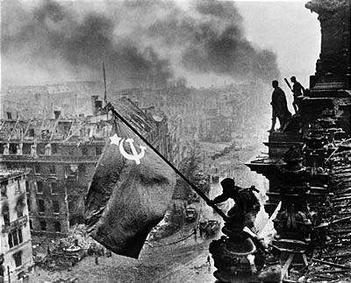
Yevgeny Khaldei, TASS, 1945 — historical fair use
Raising a Flag over the Reichstag
1945
Leica III · Elmar 35mm f/3.5
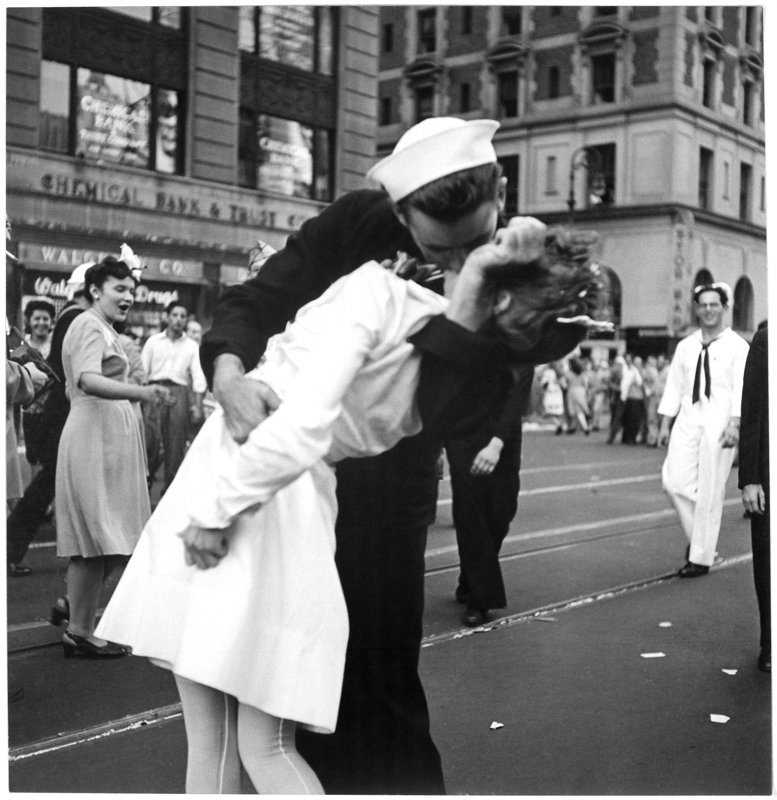
U.S. Navy / Victor Jorgensen, 1945 — Public domain
V-J Day in Times Square
Leica IIIa · Summitar 50mm f/2
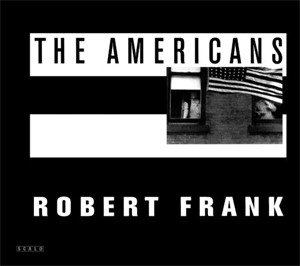
Robert Frank, 1955 — The Americans (fair use)
The Americans (Robert Frank)
1955-1957
Leica IIIf (screw-mount) · 35mm and 50mm (various; 35mm primarily)
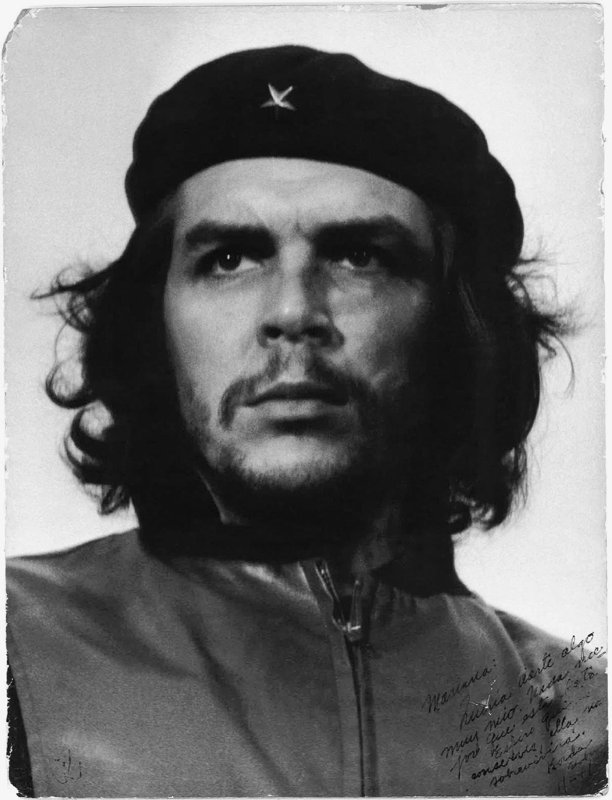
Alberto Korda, 1960 — public domain (Wikimedia Commons)
Guerrillero Heroico
1960
Leica M2 · Leica 90mm (commonly cited as Elmarit 90mm f/2.8)
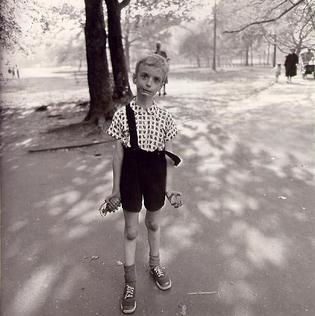
Diane Arbus, 1962 (historical fair use)
Child with Toy Hand Grenade in Central Park
1962
Leica M3 (35mm) · 50mm Summicron
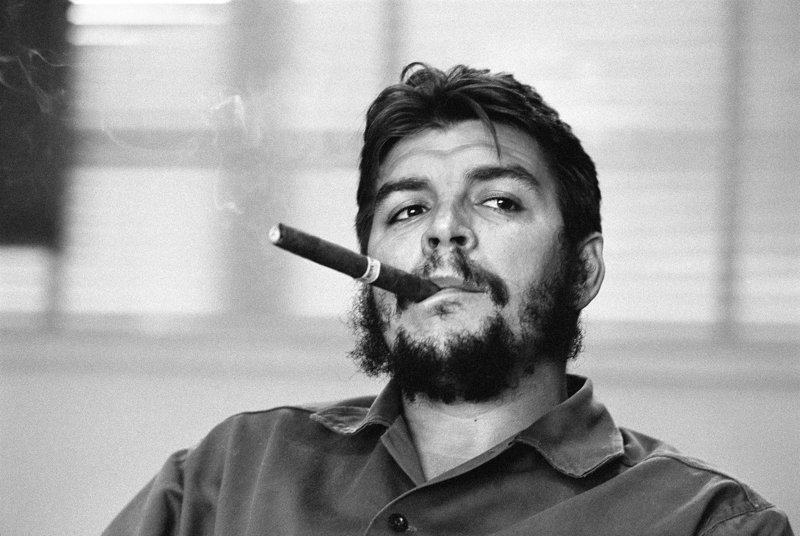
René Burri / Magnum Photos, 1963 (editorial reference)
Che Guevara with Cigar (René Burri)
1963
Leica M3
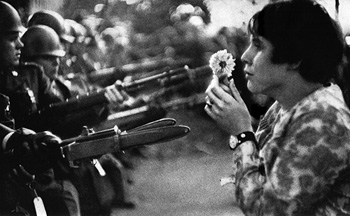
Marc Riboud, 1967 — Wikimedia Commons
The Ultimate Confrontation (Flower Power)
1967
Leica M3 · Summicron 50mm f/2
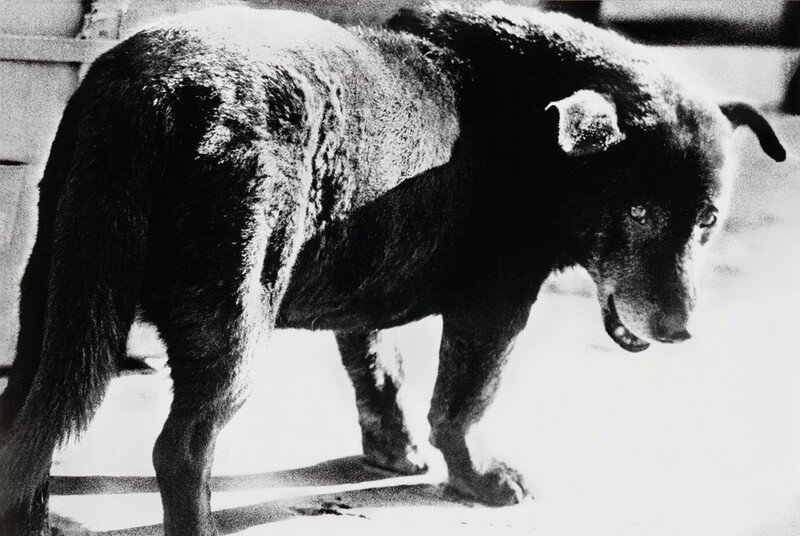
Daido Moriyama, 1971 — National Gallery of Art Collection
Stray Dog (Misawa)
1971
Leica M4 · Elmarit 28mm f/2.8